

 ItalyOut of Stock
 Spain
SpainFavorited 1 times
$10,00/ piece


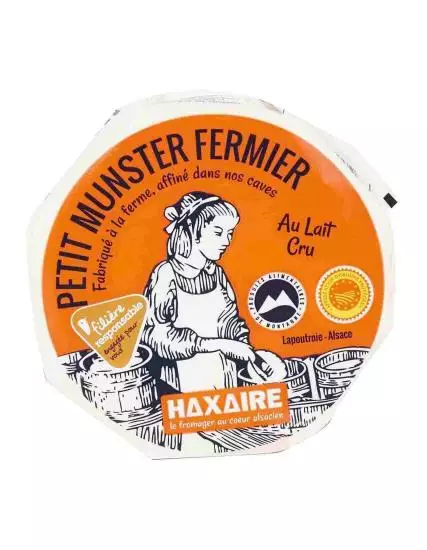
The origins of 'Munster' or 'Munster-Géromé' go back to when monasteries were founded in the Vosges Massif in the 7th and 8th centuries AD. It is made by monks for the first time and actually the name comes from the monastery. 'Monasterium Confluentis' gave its name to the town of Munster, located on the eastern face of the massif. Dairy cattle grazed on the high meadows in the summer, and the farmers came to spend the winter in the west-facing valleys. Over time it began to be produced in significant quantities, and from the 16th century onwards, farmers sold their cheese to viticultural municipalities in Alsace, the plain and large neighboring towns. The development of its production in two places (around Munster for Alsace and Gérardmer for Lorraine) explains the cheese's two names according to place names: 'Munster' and 'Géromé'. Numerous conflicts in the geographical area have made the region a place of migration. The expertise in raising, producing and maturing dairy cows here has continued to this day. The cheese making method is based on the use of acidified curd.
There is a clear contrast between the sharp, slightly ammoniacal smell and the sweet-tasting paste with notes ranging from lactic, plant-based (straw, ripe fruit, nuts), woody and even slightly yeasty. With respective maturation times ranging from 14 to 21 days, 'Munster' or 'Munster-Géromé' is offered in different formats: small-sized flat cheeses and larger formats that are flat or thick.
The geographical area is characterized by mid-altitude relief and foothills in the mountainous part (the Vosges Massif feature in all parts included in the region) and a plain in the western part. The Vosges Massif is the source of several major rivers that crisscross the entire area and shape its landscape. These rivers are further strengthened by precipitation, seepage and runoff. The milk used to make “Munster” or “Munster-Géromé” must only come from cows of the Vosges, Simmental, Prim'Holstein or Montbéliarde breeds or from crosses with these breeds. The fat content should be at least 20 grams per 100 grams of cheese. The dry matter content in 100 grams of cheese should be at least 44 grams.
When your order is handed to the carrier, you receive an “Your order has been shipped” email and an SMS from the carrier. You can see your order status and tracking number under Account > My Orders, and follow your shipment on the carrier’s website with the tracking number.
The return steps are as follows.
Once the return reaches the seller and is approved, the amount is refunded to your credit card, debit card or via bank transfer, depending on your payment method.
No ratings or reviews yet